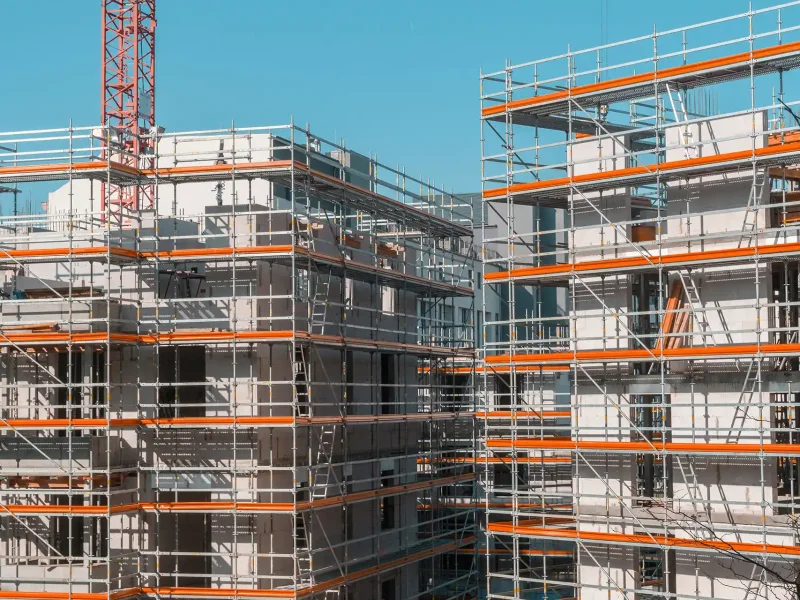
The Tama 38 plan has been one of the main growth engines of the urban renewal field in Israel for years. Its main purpose was to strengthen old buildings built before 1980 against earthquakes, but in practice it has also become a tool for significant upgrading of buildings and the quality of life of residents.
Over the years, two main tracks have been created – Tama 38/1 (strengthening and thickening of the existing building) and Tama 38/2 (demolition and reconstruction) – when the second track has become the most popular due to its clear advantages.
In this article, we will review the principles of the plan, examine the differences between the two tracks, understand the advantages and disadvantages of each, and present the right way to manage a successful and safe Tama 38 project.
What is Tama 38 and why was it created?
Tama 38 (National Outline Plan for strengthening buildings against earthquakes) was designed to provide a solution for old buildings built before the entry into force of the seismic building standard.
Instead of obligating apartment owners to bear the costs of strengthening the building, the state offered an incentive to entrepreneurs: the right to add floors and new apartments in exchange for strengthening or demolishing and rebuilding the structure.
The residents, for their part, enjoy a new or improved apartment, with a security room, balcony and parking, without paying anything for it.
The result is a Win-Win situation – the city is renewed, the buildings are strengthened, and the residents receive a significant upgrade in the value of the property and the quality of life.
The difference between Tama 38/1 and Tama 38/2
There are two main tracks for carrying out projects according to Tama 38:
Tama 38/1 – Strengthening and thickening
In this track, the existing building is not demolished. The entrepreneur strengthens its foundations, adds security rooms, an elevator, balconies and sometimes a floor or two.
The works are carried out while the residents continue to live in the building – and therefore it is a long, complex and sometimes disturbing process in terms of living comfort.
The main advantage of this track is a relatively short planning procedure, but the economic feasibility for entrepreneurs is limited, since the number of apartments that can be added is very limited.
Tama 38/2 – Demolition and reconstruction
In this track, the old building is completely demolished, and in its place a new and modern building is erected, with new infrastructure, underground parking, elevators and an upgraded lobby–.
This is the most common track today, as it offers a comprehensive solution – both strengthening against earthquakes and renewal of the entire living environment.
The residents receive a completely new apartment, usually larger than the previous one, with all the conditions of modern construction.
Why projects on the Tama 38/1 track have become rare
In the last decade, most entrepreneurs and local authorities prefer to promote demolition and reconstruction projects.
The reasons for this are clear:
- Low economic feasibility on the reinforcement track alone – due to the limitation of adding apartments.
- Damage to the quality of life of the residents during the renovation, as they remain living in the building during the works.
- Old infrastructure – even after the upgrade, the water, electricity and plumbing systems remain old.
- New urban policy – many authorities prefer comprehensive planning of streets and neighborhoods through evacuation–construction or Tama 38/2, and not point projects.
Therefore, today most residents choose the demolition and reconstruction track, which provides a higher quality and safer result in the long term.
Implementation stages in a Tama 38/2 project
Forming a majority of residents
In order to get a project off the ground, the consent of at least 80% of the apartment owners in the building is required. This is a special majority designed to ensure broad cooperation.
Choosing an entrepreneur
After forming the agreement, the residents choose an entrepreneur to carry out the project. It is recommended to check previous experience, financial strength, completed projects and compliance with obligations to other residents.
Legal engagement
A Tama 38 agreement is signed between the entrepreneur and the apartment owners, which stipulates the terms of consideration, timetables, guarantees and securities. The agreement is signed through a lawyer on behalf of the residents, who ensures that all their rights are protected.
Obtaining building permits
The entrepreneur submits the plan to the local planning and building committee. This process sometimes includes objections, but it is a necessary step before the start of construction.
Evacuation of residents
Upon receipt of the permit, the residents are evacuated from their homes for the construction period. The entrepreneur is required to pay them rent for an alternative apartment for the entire period of the works.
Construction and delivery
The construction period is usually about two to three years. At the end, the residents receive completely new apartments in a new building with all the required approvals.
Main advantages of Tama 38/2
- New apartment at no cost – the residents do not pay anything, but receive a new, modern and safe apartment.
- Significant upgrade in the quality of life – security room, elevator, parking, new lobby and modern infrastructure.
- Protection against earthquakes – the building is built according to the latest standards.
- Increase in property value – the apartments increase in value by tens of percent with the completion of the project.
- Contribution to the city – upgrading the appearance of the street, improving infrastructure and new community value.
Possible disadvantages and challenges
- Long process – the duration of the project may reach several years, including planning and approval stages.
- Moving to alternative housing – the residents need to evacuate the building for the construction period.
- Dependence on the entrepreneur and his financial strength – despite guarantees, it must be ensured that the entrepreneur is stable and has a reputation.
- Refusenik tenants – in some cases, objections can delay the progress of the project.
However, with proper legal management and prior agreements, most challenges can be addressed and risks minimized.
Choosing the entrepreneur and contractor – key to the success of the project
Choosing an entrepreneur or contractor is one of the most important decisions in a Tama 38 project.
It must be ensured that the company has proven experience, appropriate classification in the Contractors Registrar, and a positive reputation among residents in previous projects.
It is important to check the financial strength of the entrepreneur and ensure that he provides appropriate bank guarantees – such as a sales law guarantee and a rent guarantee.
The lawyer representing the residents manages the negotiations with the entrepreneur, examines the proposals and ensures that all the important conditions are included in the written agreement.
Summary – Tama 38 as a tool for upgrading life and safety
Tama 38 has brought about a real revolution in the field of urban renewal in Israel.
It allows residents to strengthen their building, upgrade their living environment and enjoy a new and safe apartment – all without direct cost on their part.
Despite the challenges and bureaucracy, with professional planning and proper legal support, a Tama 38 project can turn from a dream into a successful reality.
This is a move that provides security, increases the value of the property and improves the quality of life of all involved – the residents, the entrepreneur and the city as a whole.